Southern Collegians Flock to the Federal Comment Period
When it comes to protecting America's birds, the smallest changes to federal regulations can have a big impact. But who decides which species make the cut?

When it comes to protecting America's birds, the smallest changes to federal regulations can have a big impact. But who decides which species make the cut?

CFACT Collegians take their energy concerns to federal agencies, pushing for smarter energy policy, and American energy independence

A dozen students gathered in Ottensman Hall at the University of Wisconsin-Platteville on October 26 for an evening that cut through popular energy myths and focused on practical realities.

CFACT students at UVA put wind energy’s impact on wildlife in the spotlight with an interactive game revealing the hidden costs of renewable energy.

If it’s no one’s trash, can it still be someone’s treasure? CFACT Collegians think so!

Oil in your gas tank is a given, but what about the everyday items on your desk, tucked in your backpack, or scattered around your dorm room?

Sometimes, the best way to learn about conservation is to take a hike. Literally.

By bringing a Jeopardy-inspired challenge to their campuses, two CFACT Collegians encouraged their peers to put their energy knowledge to the test, learn a few surprising facts, and walk away with a handful of candy.
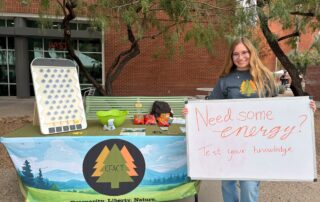
The price is right, and the future of energy might just be nuclear.
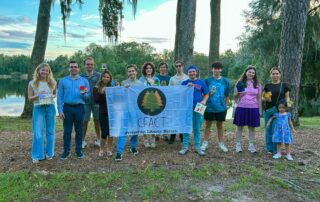
The University of Florida has no shortage of wildlife, from the alligators lounging around campus lakes to the birds chirping in the treetops. But thanks to two CFACT Collegians, some of those feathered residents may soon have a few new housing options.
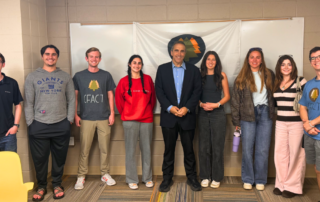
Climate Depot’s Marc Morano made a stop at Good Ole’ Rocky Top last week, bringing his signature no-holds-barred commentary on climate politics to students at the University of Tennessee, Knoxville.
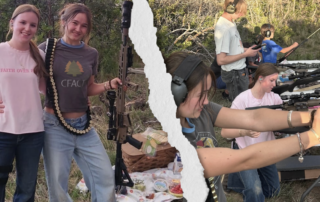
Ready, aim, conserve! Nine students from Fort Lewis College loaded up their shotguns at the Bayfield Lions Club Outdoor Gun Range, where they explored the important role hunting plays in wildlife conservation while practicing their marksmanship skills.

What do vending machines, water fountains, printers, and light switches all have in common? They all need something to power them. But how often do students stop to consider where that electricity actually comes from?
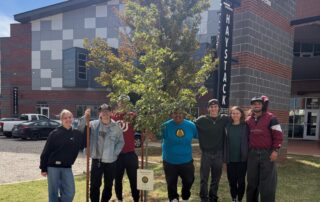
When CFACT students aren’t countering climate change propaganda or promoting reliable energy on campus, they’re practicing good old-fashioned environmental stewardship.
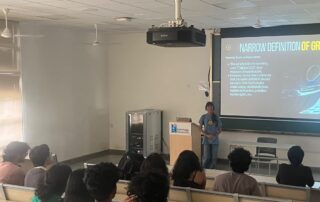
Are electric vehicles (EVs) really more sustainable than gas-powered vehicles?