California’s Advanced Clean Fleets Regulation (ACF) went into effect in 2024. The regulation intended to force all trucks operating in California to be zero emissions. But electric trucks cost 2─3 times as much as diesel trucks, and because of heavier weight, carry less freight.
Diesels can travel about 1200 miles after filling the tank in 15 minutes. The range of electric trucks is only about 150─330 miles and recharging takes hours, even on a high-speed charger. The ACF promises to be another unaffordable mandate from the Newsom administration.
But in a win for affordability, the Congress and President Trump struck down California’s ZEV and ACF laws last spring. The 1980 Clean Air Act and revisions to the act give the EPA responsibility for national air pollution regulations.
California’s ability to regulate air pollution requires a waiver from the EPA, which the administration revoked in May. Governor Newsom has sued the federal government to try to re-establish the unaffordable ZEV and ACF mandates.
Costly California also has the most expensive gasoline and diesel fuel in the nation. This week, state regular gasoline prices are $4.67 per gallon, more than 50% higher than the national average of $3.07/gallon. But California prices may be going much higher because refineries are closing.
In the 1980s, more than 40 refineries operated in California. This number has declined to 13 operating refineries. Two additional refineries, the Phillips 66 Wilmington facility and Valero’s Benicia plant, have announced that they will close in the next six months. As a result, California gasoline prices may rise to $8 per gallon.
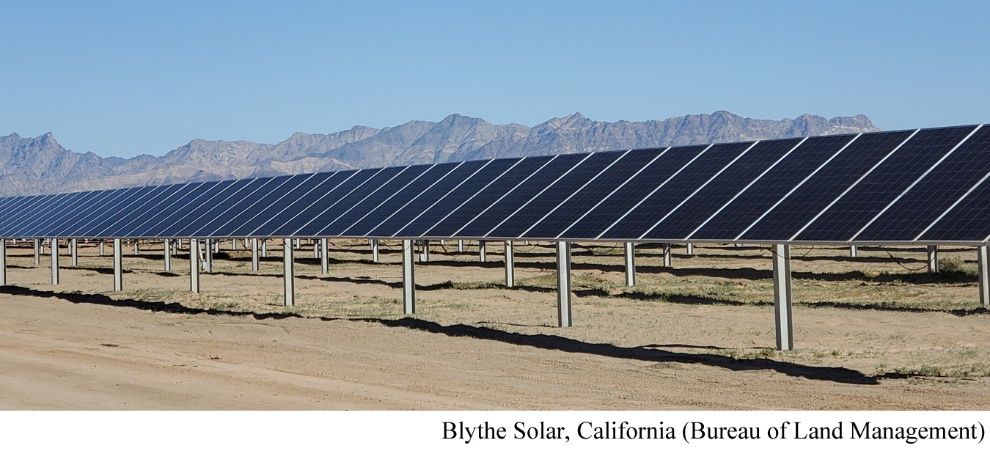
California’s renewable systems themselves have been failing. Earlier this year, it was announced that the Ivanpah Solar Power Facility in the Mojave Desert would close next year after only 12 years of operation.
Ivanpah was constructed for $2.2 billion in 2014, with $1.6 billion in federal loan guarantees, and was the world’s largest solar facility at the time. But Ivanpah produced less electricity than expected and needed natural gas to try to stay operational.
Last summer Governor Newsom announced that California had added more than 2,300 megawatts of grid battery storage, stating, “The key to a cleaner, more reliable power grid is batteries — and no other jurisdiction on the planet, save China, comes even close to our deployment.”
Grid batteries intend to back up intermittent wind and solar systems, storing electricity when wind and solar output is high and then releasing it when output is low. But batteries are prone to self-ignition and spectacular failure.
On May 15, 2024, the Gateway Energy Storage system near San Diego caught fire. The 250-megawatt facility burned for 17 days and reignited several times after fire crews had extinguished the blaze. A battery facility in Escondido, also near San Diego, caught fire five months later.
On January 16 of this year, the battery system at Moss Landing, California, caught fire and burned for several days. The 300 MW system was one of the largest in the world but was 55% destroyed after only three years of operation. Roads and schools closed, and 12,000 residents were asked to temporarily evacuate during the blaze. Residents pay for the cost of battery failures with higher electricity bills.
Green energy mandates cause California housing prices to rise. The 2020 California Solar Mandate requires new homes to have solar panels and wiring for electric appliances.
The California Building Standards Commission enacted standards that require conduit for EV charging in single-family homes and parking facilities with EV chargers for multi-family homes and hotels. These requirements make housing less affordable for low-income residents.
The newest Democrat party line is “affordability,” but renewable energy in California shows how not to be affordable. California’s energy affordability crisis is far from over.
This article originally appeared at NewsBlaze