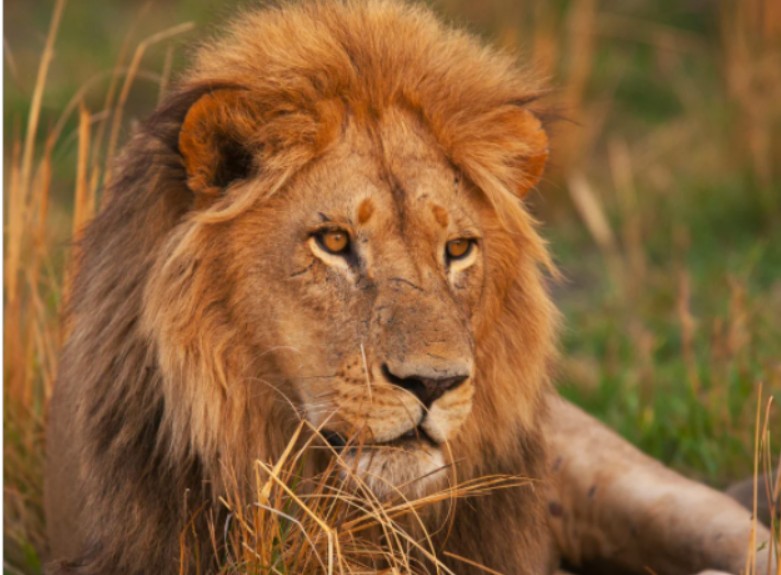
CFACT’s partnership with conservationist Patricia Vaughn in Tanzania continues to deliver life-saving results for both wildlife and local communities, advancing a true “Stewardship in Action” success story. With support from CFACT donors, Vaughn and her team are expanding the use of solar-powered flashing lights installed around livestock enclosures, or “bomas,” to prevent nighttime predator attacks. Typically, about a dozen lights are secured around each boma, spaced roughly ten paces apart and reinforced with wire to withstand the rugged conditions of the African bush.
 The need for this innovation is clear. Traditional Maasai bomas — constructed from thorny acacia branches — offer only limited protection. Lions, hyenas, and leopards have long adapted to these defenses, digging underneath, slipping through gaps, or even coordinating attacks that drive cattle to stampede through their enclosures and into ambushes. The flashing lights, however, have proven highly effective. According to Vaughn, predators now avoid the enclosures entirely, eliminating the attacks that often lead villagers to “revenge” kill lions in retaliation. The result is a practical, mutually beneficial solution: livestock are protected, and lions are spared.
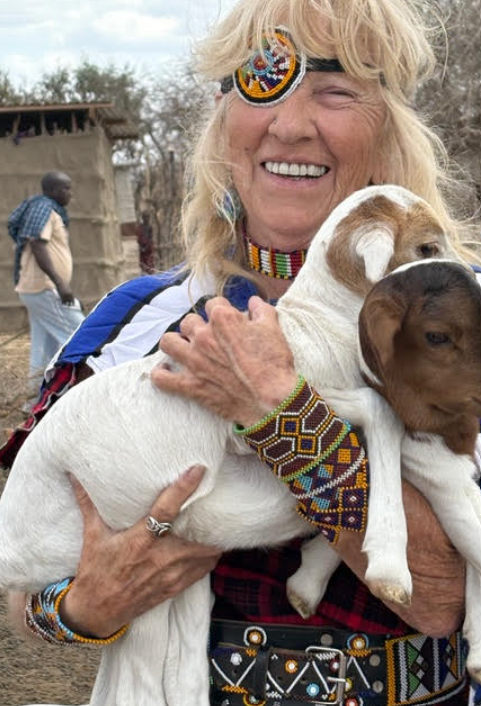
Patricia spending some quality time with the animals she aims to save from predation!
In recent months, the project has expanded significantly across Tanzania. Lights have been deployed around Tarangire National Park at the request of park officials seeking to establish coexistence and prevent the relocation of lions to areas that allow trophy hunting. Additional efforts are underway near Ruaha National Park in the south, the Enduimet Wildlife Management Area along the Kenyan border — where lions from Amboseli National Park roam — and in communities such as Sinya, Kimotorok, and Makao. Work is also extending into regions near the Mozambique border, where conflicts with lions remain high among Maasai, Wagogo, and Wahehe communities.
This growing footprint highlights the effectiveness of Vaughn’s approach in reducing conflict between people and wildlife. Even with logistical challenges, including steep import taxes on the lights, installations continue to expand across key regions. Through its partnership with Vaughn, CFACT is helping support a practical model of conservation that protects both livestock and local lion populations.
