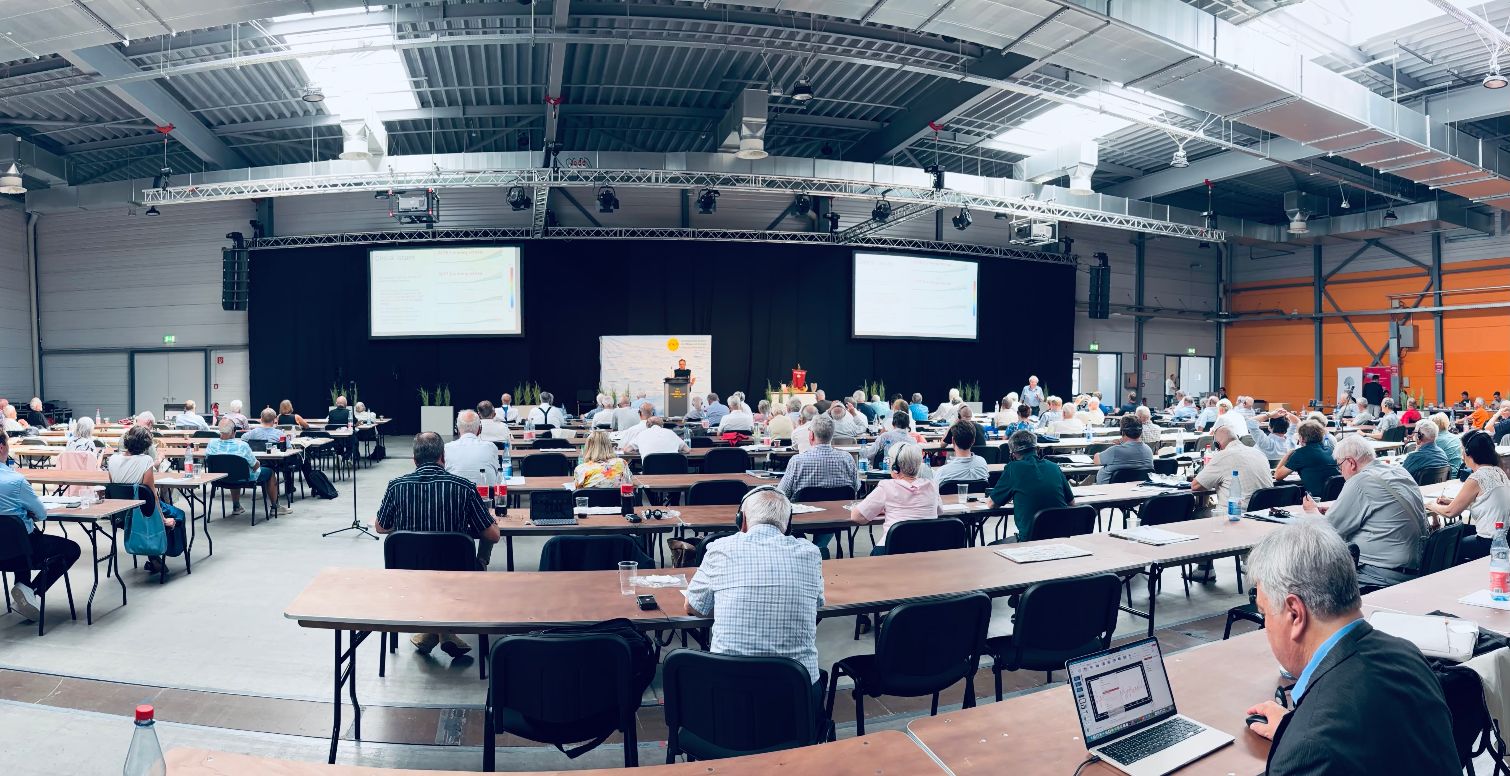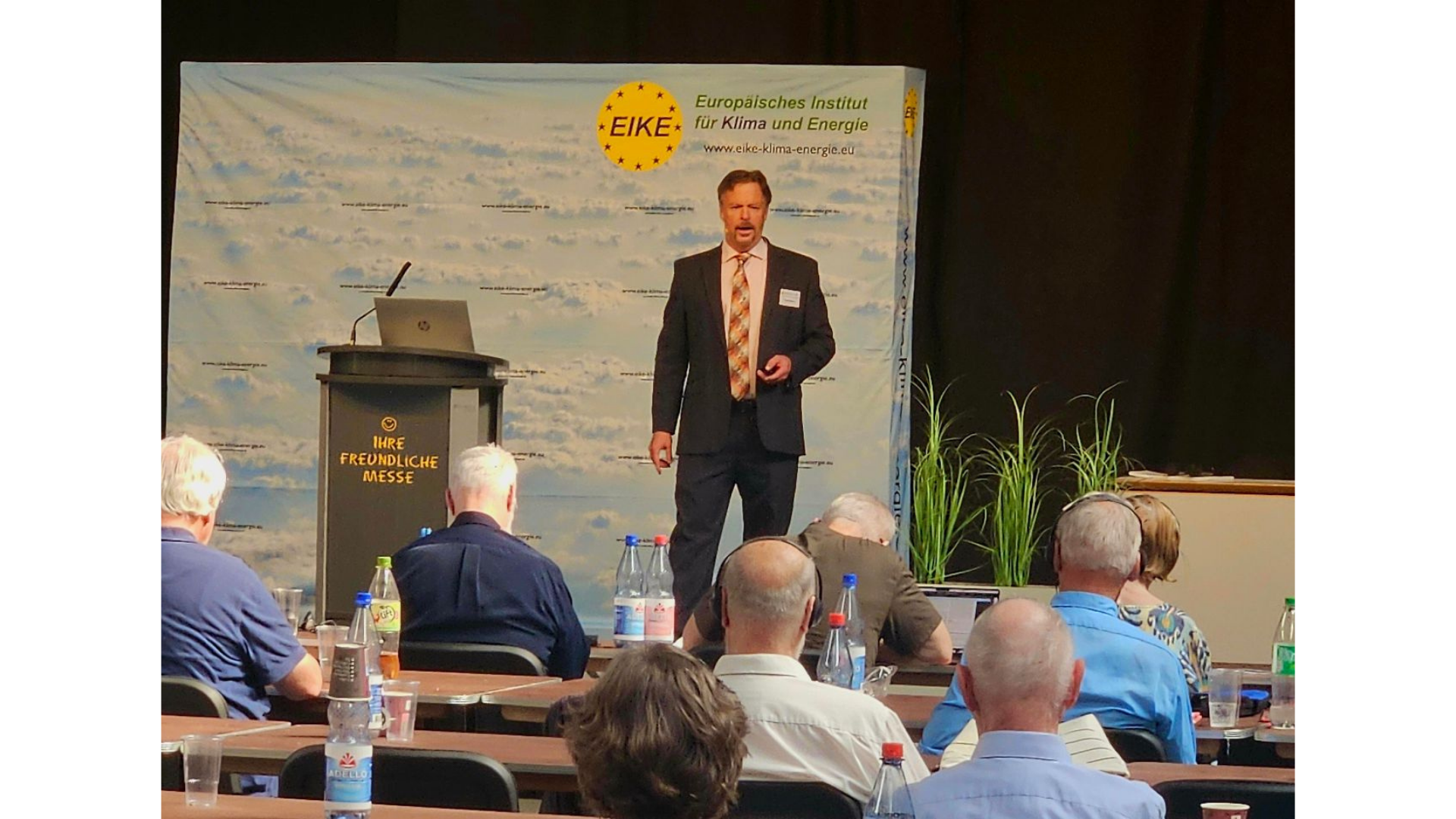
Halle (Saale), Germany — The 17th International EIKE Climate and Energy Conference (IKEK-17) brought together leading climate realists from Europe and the United States for two days of evidence-based discussion on June 26-27 at the Halle Messe convention center. Hosted by the Europäisches Institut für Klima und Energie (EIKE) and co-sponsored by CFACT and the Heartland Institute, the event offered a clear alternative to the politicized alarmism that dominates much of the climate debate.
The conference featured a strong American delegation and a full program of presentations challenging prevailing narratives on temperature data, CO₂, renewables, and net-zero policies while emphasizing natural climate factors, measurement realities, and practical energy solutions such as nuclear power.
U.S. Speakers Deliver Direct Assessments
CFACT Communications Director Marc Morano opened the Friday program with a presentation titled “The Great 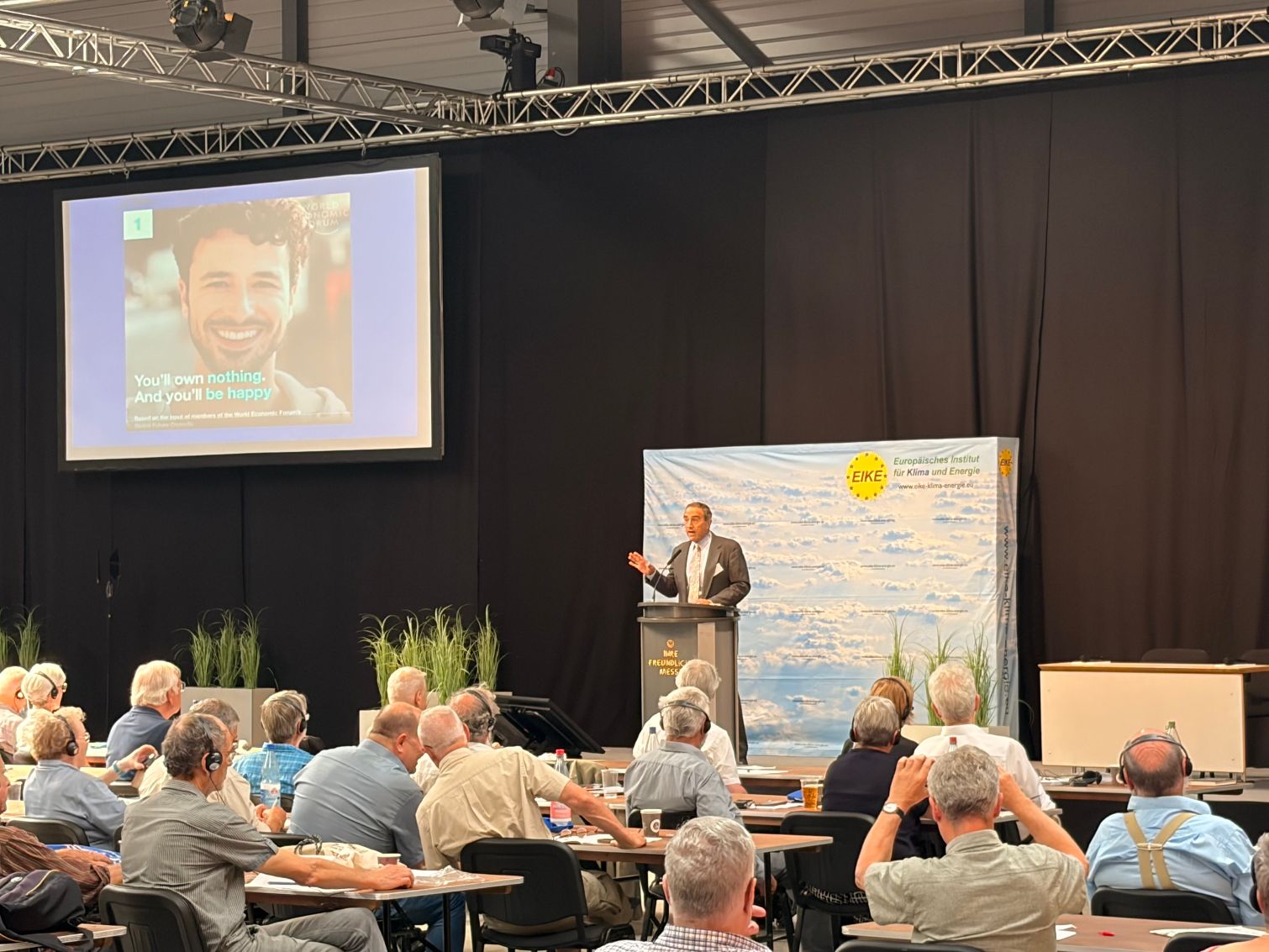 Reject: Triumphant Trump Dismantles the Climate Agenda with Nary a Pushback.” He stated, “This administration has largely demolished everything the Greens have been doing on the climate front — and there’s been barely a peep of opposition from its leaders and friends in the media.”
On Saturday, several prominent U.S. voices took the stage. Astrophysicist Dr. Willie Soon addressed “From Demon to Dinner: The Scientific Rehabilitation of CO₂ and Fossil Fuels.” Nobel Prize-winning physicist Dr. John Clauser examined “Science vs. Pseudoscience – Why There Is No Climate Crisis.” Princeton physicist Prof. Dr. William Happer discussed “Acidification of Water by CO₂?” Heartland Institute President James Taylor outlined the economic consequences of net-zero policies in “The Net Zero Agenda Is Creating Skyrocketing Electricity Prices.” Former Delaware State Climatologist Prof. em. Dr. David Legates reviewed data quality concerns in his talk on air temperature and precipitation measurements.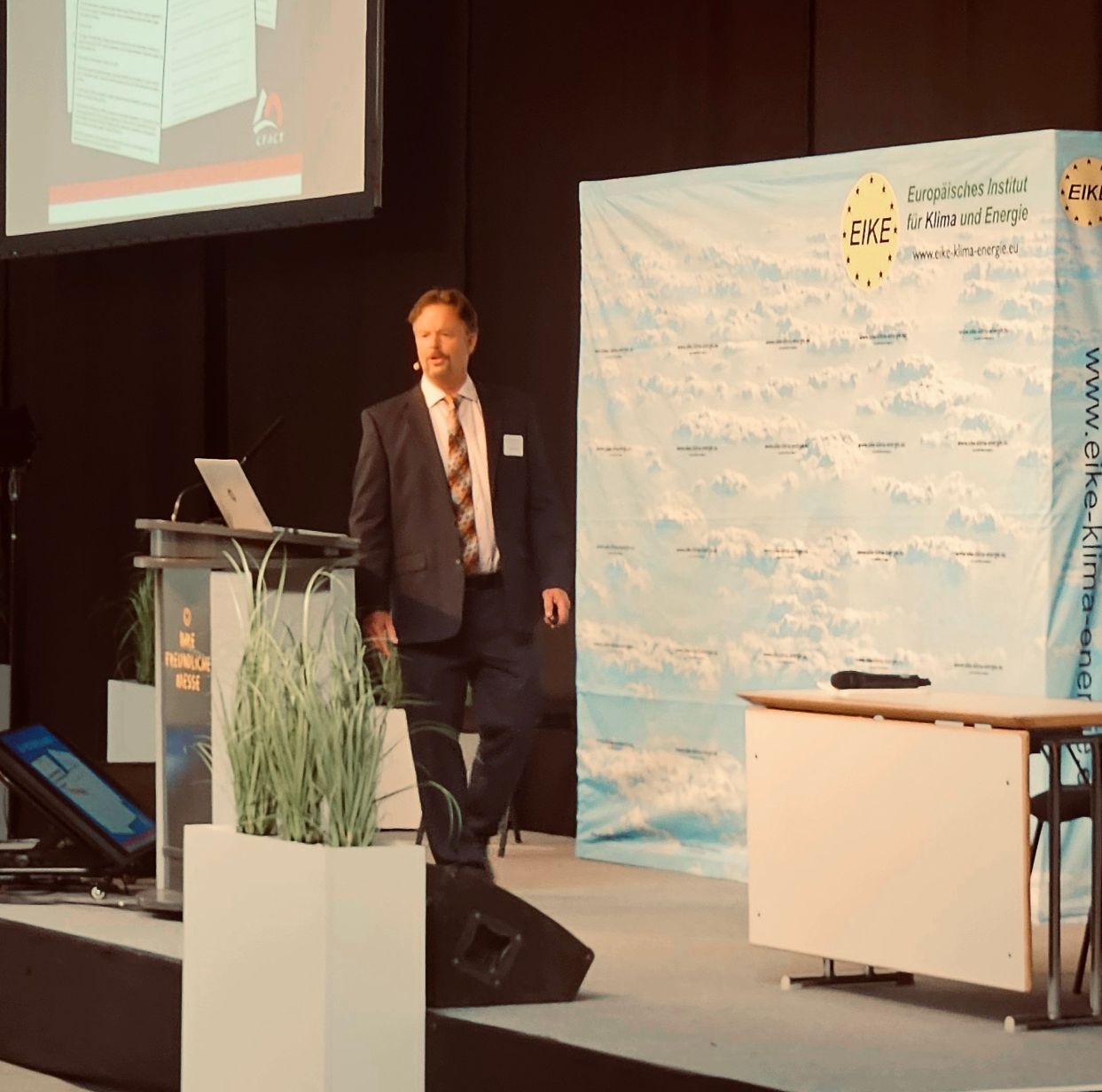
CFACT President Craig Rucker spoke on “Why the Climate Realist Movement Is on The Advance in The United States.” He told attendees, “The climate realist movement in the USA has enjoyed a lot of success in beating back the aggressive climate agenda through the decades. But nowhere has it accomplished more than it has right now under Donald Trump. It’s nearly a knockout punch, at least on the federal level.”
European Perspectives Strengthen the Program
European experts provided additional depth. Prof. Dr. Nicola Scafetta analyzed solar variability, natural cycles, and climate model uncertainty. Prof. Dr. Henrik Svensmark presented recent findings on cosmic rays and clouds. Paleoclimatologist Dr. Stefan Kröpelin shared insights from 45 years of Sahara research. Other sessions included Dr. Ronan Connolly on issues with temperature homogenization, Dr. Dominique Görlitz on ancient cultural perspectives on climate, Theo Wolters fact-checking aspects of the CAGW hypothesis, Dr. Paul Schmidt making the case for nuclear energy over expanded wind power, and Michael Limburg on the dominant role of water vapor in climate and weather. Jonathan Cohler joined via Zoom to present an equation challenging core elements of the IPCC CO₂ narrative.
Additional contributions came from German MEP Anja Arndt on Europe’s energy challenges under the 2027 Methane Regulation and physicist Dr. Lutz Niemann on radiation realities. Jack Kelley explored connections between the Green Sahara and historical questions, while Karl Iver Dahl-Madsen addressed long-term food security.
The program included simultaneous German-English interpretation, full days of presentations, coffee breaks, lunches, a Friday dinner, and a Saturday reception.
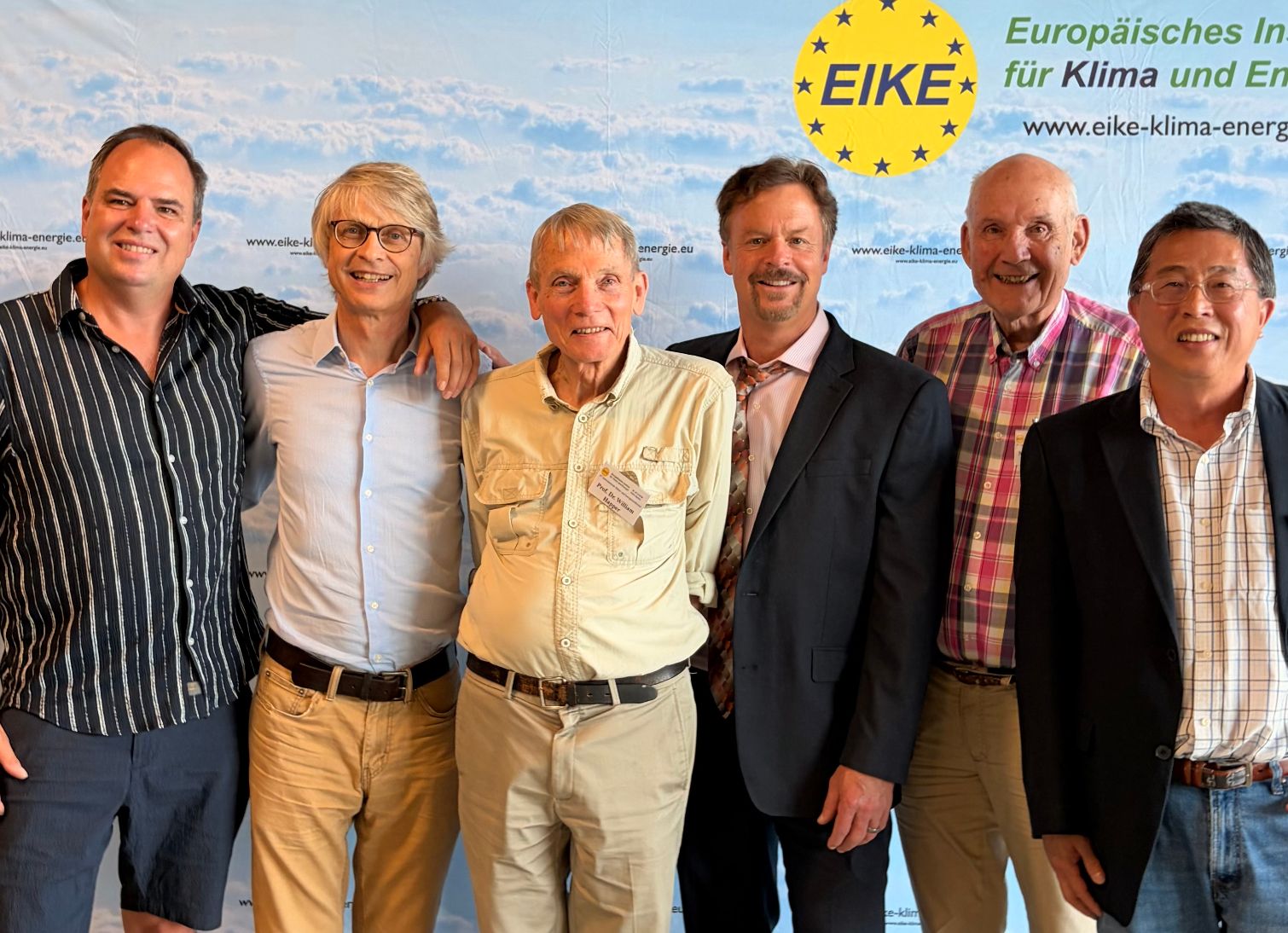
Final Takeaway: Realism Gaining Ground
The conference underscored the growing international momentum behind climate realism. Presentations consistently pointed to the significant influence of water vapor and natural drivers such as solar activity and cosmic rays, highlighted problems with temperature data adjustments and climate models, and demonstrated the economic and reliability shortcomings of aggressive renewable mandates. Speakers also emphasized the continued importance of nuclear power and conventional energy sources for human prosperity.
From a CFACT perspective, the event illustrated how far the realist movement has advanced, particularly through policy shifts at the federal level in the United States. The strong transatlantic participation — with CFACT and the Heartland Institute joining forces alongside EIKE — reflects effective cooperation in promoting evidence-based approaches over ideological ones.