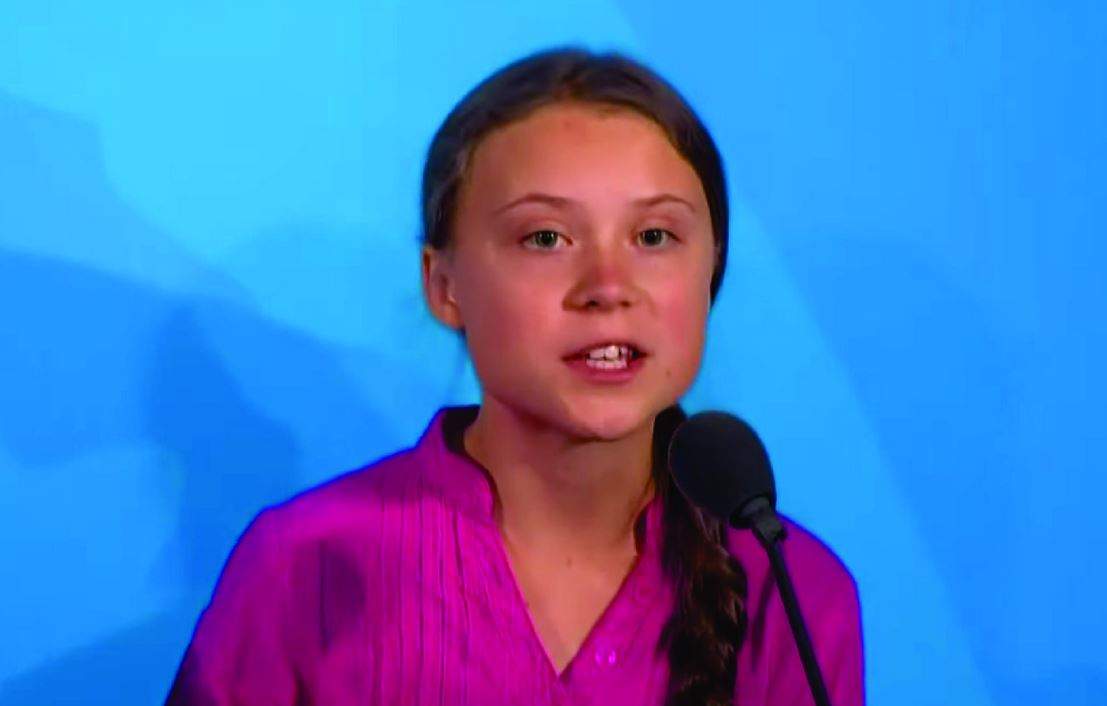
For more than four decades, Americans have been subjected to a relentless drumbeat of environmental doom. They have been terrified by warnings of acid rain, the ozone hole, melting ice caps, drowned coastal cities, superstorms and mass extinctions. Then came Al Gore and increasingly apocalyptic warnings about global warming, which has since been rebranded as “climate change.”
Today, we can see the consequences. Two generations of young people have been taught not to respect the environment, but rather to fear the future.
The numbers are disturbing. A Lancet Planetary Health survey of 15,793 Americans ages 16 to 25 found that 85 percent were at least moderately worried about climate change, including 58 percent who were very or extremely worried. More than half said climate change made them hesitant to have children.
Other research points the same way. A review of multiple studies found that stronger climate worry lines up with wanting fewer children or none at all.
Think about that. We have convinced millions of young people that the future is so bleak that they should reconsider having children.
The Earth is getting greener. NASA reported that 25 to 50 percent of the world’s vegetated land greened significantly between 1982 and 2015 — an increase in leaf area roughly twice the size of the continental U.S. Researchers attributed about 70 percent of that greening to rising carbon dioxide.
So carbon dioxide is not merely an emission — it is plant food.
Agriculture tells the same story. The world now grows nearly three times as much grain on the same acre as it did in 1961. The cropland saved is close to the area of the U.S. and India combined. Credit better seeds, machinery, irrigation, modern farming, fossil fuel-derived fertilizer, and that carbon dioxide boost.
Our air is cleaner, too. EPA reports that emissions of the six main air pollutants fell 79 percent between 1970 and 2024, even as the economy grew 338 percent, Americans drove 195 percent more miles, and the population grew by two-thirds.
Prosperity has surged as well. The number of people living in extreme poverty worldwide fell from roughly 2.3 billion in 1990 to about 800 million today, even as the world population grew by nearly three billion. Life expectancy, literacy, and living standards are at record highs.
We have heard the doom and gloom predictions before. Paul Ehrlich’s 1968 bestseller, “The Population Bomb,” promised mass starvation in the 1970s. Instead, Norman Borlaug’s Green Revolution fed a billion more people. Being wrong has never slowed down the doomsayers.
None of this means environmental problems are imaginary. It means they are problems to solve and not reasons to surrender.
Previous generations built dams, cured diseases, split the atom, crossed oceans, and landed men on the Moon. They faced world wars, depressions, and nuclear standoffs, real existential dangers. Their answer was not to stop having children. It was to build a better world for them.
Even Elon Musk, who believes strongly that man-made carbon dioxide threatens the climate, preaches innovation and expansion — not retreat and despair. That is the mindset young people need.
So teach the real problems we can do something about — not false climate doom. Teach the triumphs, not just the panic. Teach how human ingenuity cleaned our air and rivers, tripled crop yields, cut extreme poverty by two-thirds, and greened a massive share of the planet.
Parents, this one is on us. Ask your school district what your children are being taught about climate, and what they are not. Ask to see the curriculum. Ask whether a single one of these numbers appears in it. Then say so out loud at the next school board meeting.
Two generations have been taught to fear the future. Let’s teach the next one to build it.
This article originally appeared at The Hill