Judge orders wind farm dismantled in win for tribal sovereignty
The wind farm failed to obtain a lease from the Osage nation.


The wind farm failed to obtain a lease from the Osage nation.

The SEC should not sanction non-use over optimal use of resources.
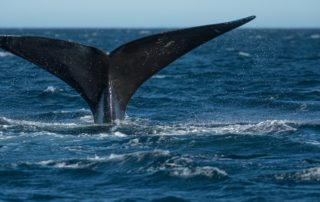
The Endangered Species Act has failed at recovering species.

Livestock have joined SUVs, 18-wheelers, gas stoves, and gas furnaces on the ever-growing list of climate culprits.

The UN climate conference is crawling with private-sector investors and "philanthropists" licking their chops over the deals they hope to close.

Work on the $10 billion SunZia transmission project was halted over concerns about the project’s impact on religious and cultural sites.

The court found the DEP did not have the constitutional authority to collect revenue from Regional Greenhouse Gas Initiative auctions, and only the legislature can levy taxes.
Will the President's attempt to create by executive order what Congress rejected hold up?

NEPA’s procedures have become so time-consuming that they have tied up infrastructure and other projects for years.

Portland ignores its decay but goes all-in on useless wealth redistribution.

The electric buses were plagued with problems as soon as they went into service.

The jaguars and pumas of northeastern Brazil are being wantonly sacrificed in the name of “clean,” “climate friendly” renewable energy.

Swamped by comments opposed to the listing, the FWS extended the comment period for an additional 30 days, until Oct. 2.
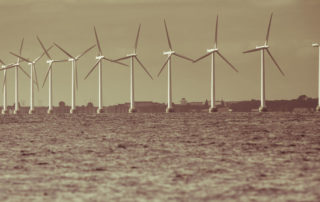
Plans to erect industrial-scale wind-power facilities off the coasts of the United States are running into the harsh commercial realities of an unfavorable economic environment.

As a result of the Sackett decision, several types of waters will no longer be under federal jurisdiction, including an estimated 1.2 million to 4.9 million miles of ephemeral streams.