
In Kitala, along Entebbe Road in Wakiso District, Uganda, CFACT is helping determined entrepreneurs turn small income-generating activities into stronger, more free-market-oriented “sustainable” businesses. Building on practical skills gained through the CFACT Entrepreneur Conference, this project focuses on strengthening enterprises that participants h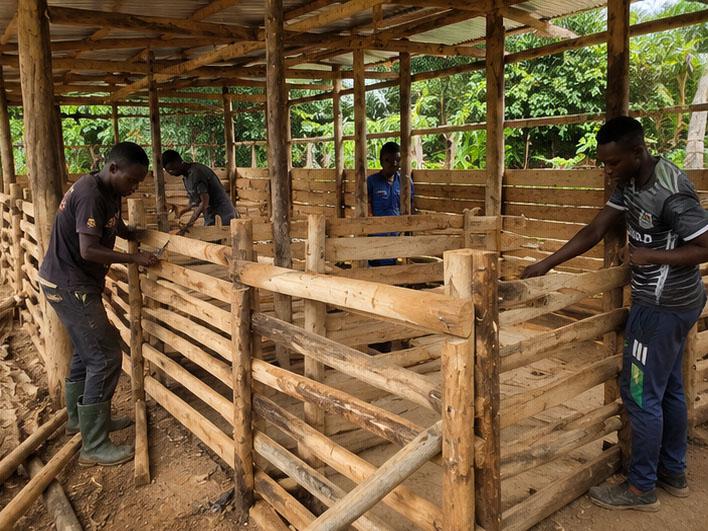 ave already started — improving production, management, animal care, and the ability to generate dependable household income.
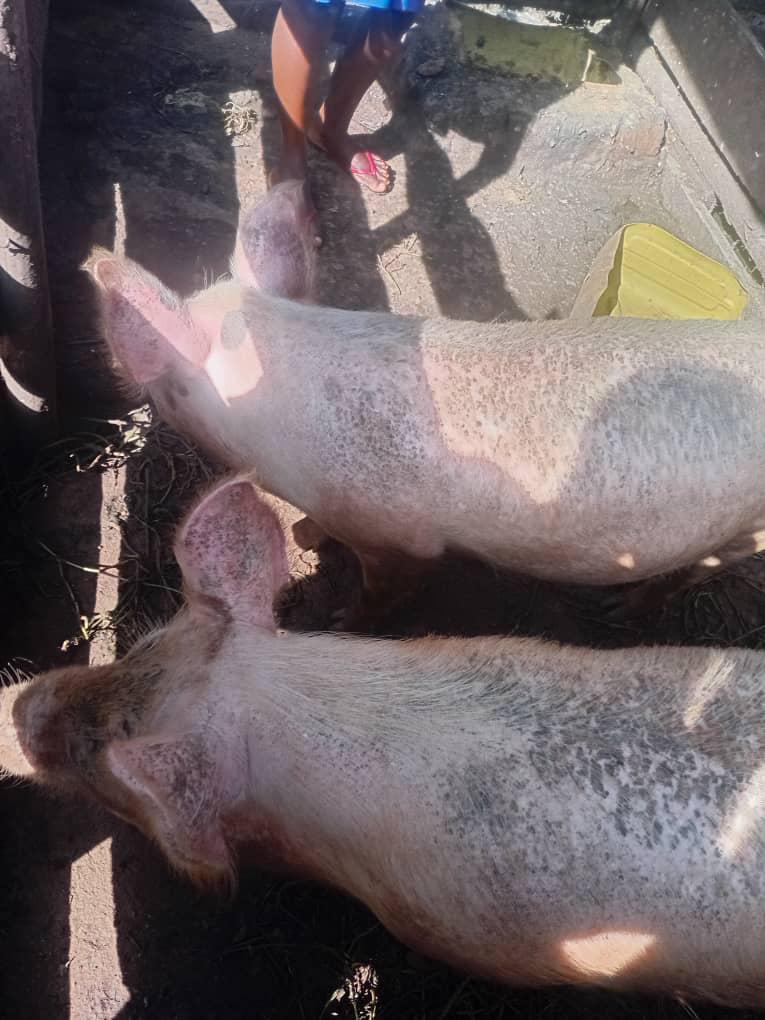
One example is Nakimuli Monica, whose piggery has grown significantly. After starting with just two pigs, she has expanded her breeding stock with high-quality South African-breed pigs: two females and one male. Each female is expected to produce more than 20 piglets per litter. With a gestation period of approximately 114 days, Monica hopes to have more than 40 piglets from the two females in the coming cycle. She has also added two larger pig houses capable of accommodating more than 30 pigs, giving the enterprise clear room to grow.
Monica has already begun generating income, recently selling one of her older local-breed pigs to a pork butcher. As her improved breeding stock produces more piglets — expected by December — she plans to sell piglets to other farmers, generating income to support her household while reinvesting in feed, veterinary care, and further expansion. CFACT’s support includes pigsty improvements, quality feed, veterinary care, water access, and better hygiene practices.
 The same approach is helping Tumwebaze Gladys strengthen her broiler poultry enterprise in Kitala. Her project is designed to provide a reliable source of household income through structured production. CFACT support has included quality broiler chicks, balanced feed, improved housing, feeders and drinkers, vaccinations, medication, and biosecurity measures. Broilers take approximately 6 to 8 weeks to reach market weight, giving Gladys the potential for regular sales cycles.
She is now raising birds to market size and selling to local customers, using proceeds to support her household and reinvest for increased production. The work has not been without challenges: Some birds fell ill and a few chicks were diagnosed with polymelia, but Gladys responded by isolating affected birds, providing care, and maintaining the health of the main flock.
Together, these enterprises demonstrate the practical impact of CFACT’s Stewardship in Action approach in Uganda. Rather than launching untested businesses, the project builds on what entrepreneurs have already started — providing targeted support, follow-up, and practical improvements that raise productivity and income. Through stronger livestock and poultry enterprises, Monica and Gladys are building businesses that can sustain their families, reinvest earnings, and create lasting opportunities for continued growth.