India to climate cartel: Count us out!
India’s explicit rejection of the global net-zero movement includes dropping its bid to host the UN's COP33 climate conference.


India’s explicit rejection of the global net-zero movement includes dropping its bid to host the UN's COP33 climate conference.

Nowhere will a change in the dynamics of energy policy be more welcome than in developing nations whose imperative to increase access to energy conflicts with pressures to submit to Western climate lords’ anti-growth, anti-humanistic, and dystopian Paris climate agreement.

Disruption to nitrogen fertilizers and pesticides alone will result in about half the world’s population not having enough food to eat.

By commissioning expensive and inefficient wind and solar electric generating facilities, India may have dug the grave of its own efforts to save the critically endangered great Indian bustard.

A swirl of tomato soup engulfs Van Gogh's vibrant “Sunflowers.” Mashed potatoes mar Monet's serene “Water Lilies.”

Dr. M.S. Swaminathan worked alongside Norman Borlaug to turn India into an agricultural haven

Though countless legal challenges have proved to be major hurdles in India, some states are showing signs of readiness to embrace high yield crops.
Not all gloom and doom.

If projected growth rates are to become reality, Vietnam would need to continue using fossil fuels without restrictions.

The increase in dengue can partially be attributed to radical environmentalists’ opposition to the most effective killer of mosquitoes, DDT.
India has authorized increased importation of thermal coal, removed all import duty on coal, is reopening hundreds of closed coal mines, and has asked existing domestic mines to produce at unprecedented rates.

Climate conferences are infamous for their grand hypocrisy.
Not only are fossil fuels still leading the energy mix, their prospects are stronger than ever.
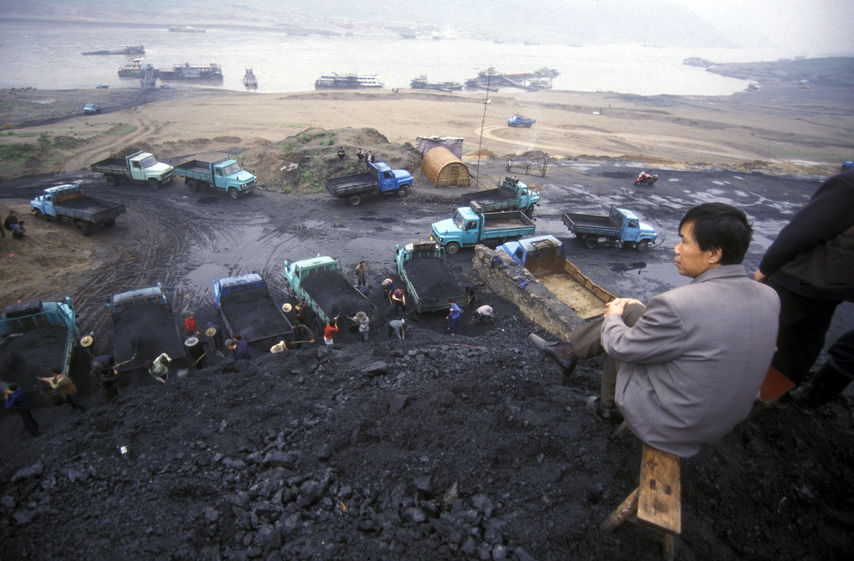
During the first week of October 2021, both India and China made desperate attempts to buy the stranded Australian coal shipments in China’s port warehouses. The coal shipments, which were originally intended to be imported into China, were left stranded at the port after China banned the import of Australian coal last year. Despite this ban, China has now unloaded some of the shipments due to unprecedented demand for coal and electricity in the country. India’s industries too have made a dash to secure some of these stranded shipments as a severe coal shortage has gripped India. So, what can we [...]
Coal and India are looking for all the coal they can get.