Environmental success stories bring hope for the future
The choice between hopelessness and hopefulness must be made based on present-day evidence and human potential, and not based on fears.


The choice between hopelessness and hopefulness must be made based on present-day evidence and human potential, and not based on fears.
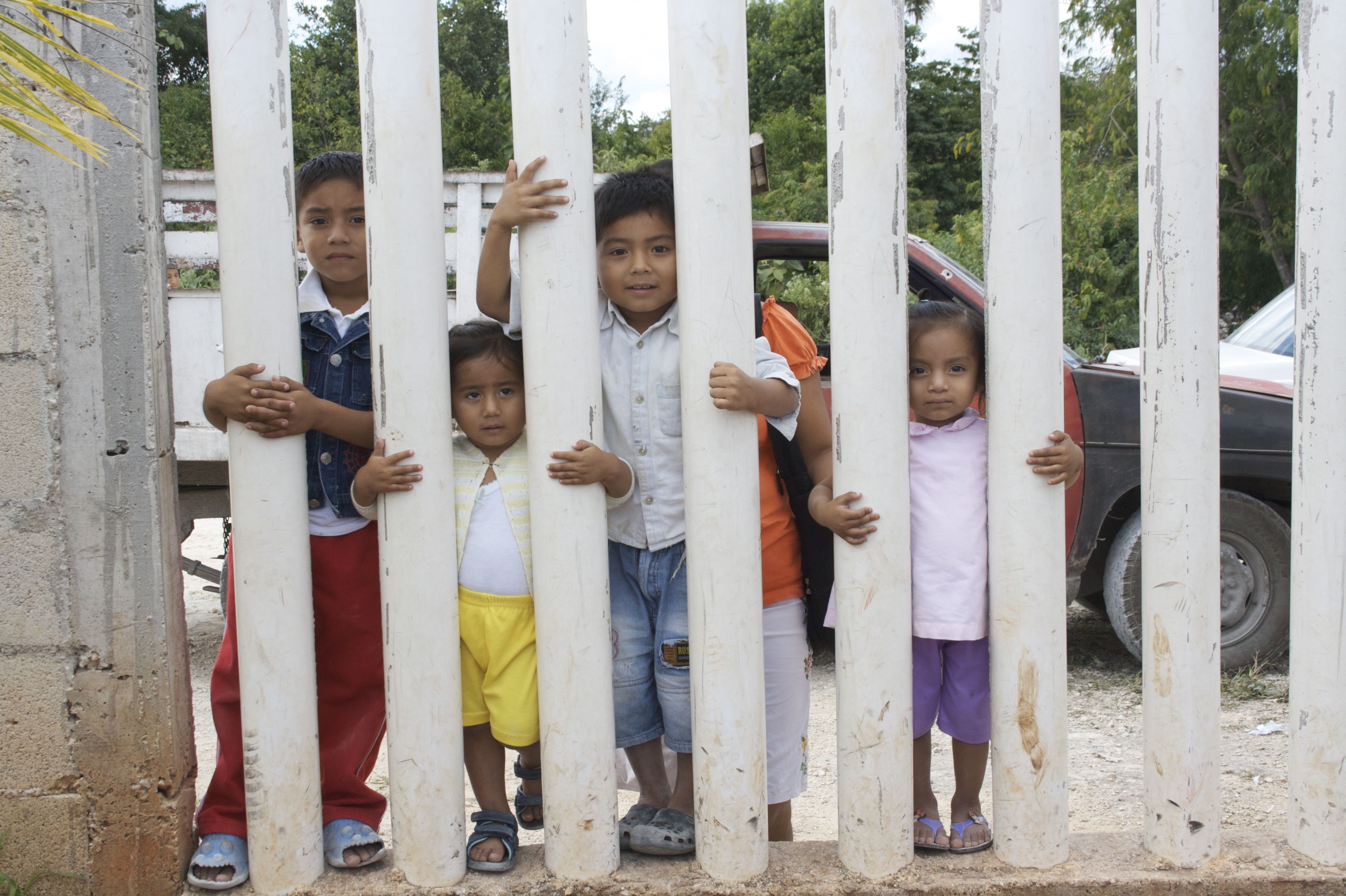
It is estimated that 360 million are in poverty in India and many do not have access to electricity.

Many African countries are beginning to comprehend the importance of modern agricultural solutions including the adoption of Genetically Modified (GM) crops.

It was just a normal tropical sunrise for many of the villages in the Southern coast of India. Many fishing communities along the coast of Tamil Nadu did not know what they would face that day. On December 26, 2004, a devastating Tsunami in the Indian Ocean stuck the villages along India’s eastern coast. More than 10,000 lives were lost that day in India. Those who escaped the Tsunami faced their worst nightmare. The tsunami destroyed homes, fishing boats, and entire village infrastructure. 154,000 houses were damaged or destroyed. The financial damage was around US$ 1 billion. The fishing communities in [...]
Almost completely absent from the media are the success stories of elephant conservation.

Brazil, Mexico, and Argentina are all in an ideal position to make a transition to a capitalistic economy and they must not wait for things to get worse.
Salmon aquaculture is the fastest growing food production system in the world.

Across the globe, many conservation programs have strategically tied up with the local communities, thus providing a win-win situation for both the wildlife and the people who live nearby their habitat.

Contrary to popular opinion, many sections of farmers in India advocate for a free-market system where they are allowed to sell their produce at their own prices.
Each with over 1.3 billion hungry mouths to feed, both India and China have adopted agricultural policies which guarantee sustained growth.
India has grown economically stronger and saved many of its species through effective, data-driven conservative programs.

Rooted, flexible, useful.

Double good news! Conservation success... and they eat only fish.

Biotechnology experts believe that this decision signals a big blow to the prospects of GM crop use in India, at least for the foreseeable future and have expressed grave concern for the advancement of crop technology in India.

We must make pledge to inspect climate news that comes our way and critically evaluate it.