California ranks #1 in sending dollars abroad for energy
The USA is now a net exporter of crude oil, with crude oil exports exceeding imports. This oil boom is beneficial to 49 states, but not to California.

The USA is now a net exporter of crude oil, with crude oil exports exceeding imports. This oil boom is beneficial to 49 states, but not to California.
In Episode 6 of District of Conservation, Gabriella interviews Joe Kondelis of Western Bear Foundation. Joe serves as president and CEO of the organization, which is dedicated to the conservation of western bears like the grizzly. Joe discussed his group's mission statement, the problem with judicial review interfering with managed grizzly hunts, offers a defense of big game hunting, and discusses the future of conservation if the Endangered Species Act isn't reformed to accurately reflect the health of the Greater Yellowstone Ecosystem strain of grizzly bears. Learn more at www.WesternBearFoundation.org and follow them on social media: Facebook: https://www.facebook.com/westernbearfoundation/ Instagram: https://www.instagram.com/westernbearfoundation/
Conjectural future tolls from climate change pale compared to real energy poverty deaths now.

Claims are one thing, and real-world evidence is another. Examine the facts and decide for yourself.
A renewable energy campaign financed by Tom Steyer is trailing by double digits, an indication that Arizona voters are not too excited about a dramatic shift to wind and solar.
The large-scale implementation of wind turbines would raise local temperatures in the immediate future, a study by Harvard researchers suggests.

"ACE" will allow America to develop affordable and reliable carbon management technologies that can be shared with the world.
A record-low 759 tornadoes formed in the U.S. so far this year, according to the National Oceanic and Atmospheric Administration’s Storm Prediction Center (SPC). Through Oct. 3 of this year, SPC recorded two fewer tornadoes than the previous record-low of 761. Tornado activity has been unusually low in recent years, according to SPC data, which goes back 65 years. “This lack of tornadic storms in recent years should also correlate with lesser severe thunderstorm activity in general in the U.S., since the conditions which produce large hail and damaging winds are generally the same as are required for tornadoes,” Dr. Roy [...]
The Colorado Public Utilities Commission (PUC) recently approved a Colorado Energy Plan that attempts to substitute wind power for coal power. CFACT has petitioned the PUC to reconsider this ill-advised decision.

The war on energy moves to the states.
In Episode 5 of District of Conservation, Gabriella breaks down the need to reform the ESA, discussed the Supreme Court case Weyerhaeuser v. USFWS, and several ESA reform bills - including a bill to delist the gray wolf - that passed in the House Committee on Natural Resources.

The Obama administration originally found that forcing coal-fired plants to use the mercury control technology would cost an estimated $9.6 billion a year — the most expensive clean air regulation. This cost was far higher than the expected annual health savings of $6 million. However, the administration was able to rack up these health saving numbers by enabling the MATS Rule, with co-benefits adding another $80 billion, according to The New York Times.

Recent actions show reform is in the wind, but much remains to be done, especially on climate.
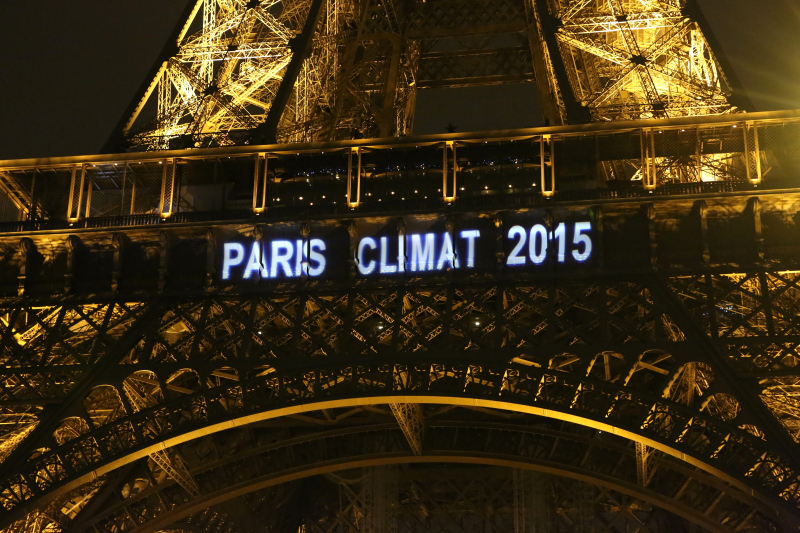
The Paris climate agreement would force U.S. taxpayers to fork over approximately $10 billion every year to developing countries like China, Iran, and Venezuela.

If you judge a public policy by its results, the ESA of 1973 is a flop. Over 2,000 species have been listed as endangered pursuant to the Act. How many have recovered? Around thirty. The ESA has, however, been incredibly effective at frustrating and delaying economic activity.