
TAKE ACTION
TELL WISCONSIN: WITHDRAW FROM THE U.S. CLIMATE ALLIANCE!
In 2019, Governor Tony Evers signed Wisconsin up for the U.S. Climate Alliance: a club of Democrat Governors committed to Paris Accord targets no matter what Washington, D.C. decides. Five years later, he became the first Midwest Governor to join the Alliance’s executive committee.
This isn’t a fringe idea anymore. It’s the same “net zero by 2050” agenda national Democrats are promising to bring back to Congress if voters hand them the majority this November, and Wisconsin is already living under a state-level version of it.
An independent study found that “commitment” costs Wisconsin $111 billion – roughly $23,400 out of every adult’s pocket in the state. And Governor Evers isn’t running for re-election in 2026, so he’ll never have to answer to Wisconsin voters for a dime of it.
We’re not asking Wisconsin to give up a clean lake or a healthy forest. We’re asking it to give up a Democrat Governors’ club built to impose an agenda Wisconsin voters never approved. Add your name below!

Wisconsin’s Net-Zero Transition Comes With a $111 Billion Price Tag
Wisconsin’s newly released Emissions Reduction Roadmap lays out an aggressive vision for reducing greenhouse gas emissions across the state. At its core, it is a net-zero plan that details in 78 pages how they plan to spend YOUR tax dollars. The plan calls for expanded wind, solar, and energy storage; building electrification; electric-vehicle infrastructure; industrial decarbonization; and other measures aimed at moving Wisconsin away from fossil fuels. These are all moves that would not only cost WI more but would reduce affordability and reliability- two key points that green eco-socialists forget about.
The Roadmap itself does not provide taxpayers with a total price tag. In fact, the state acknowledges that many implementation details will depend on future programs and funding opportunities. This means the actual cost will likely be even higher.
However, Wisconsin’s transition to a net-zero economy has been modeled before — and the estimated investment is enormous.
In 2022, RENEW Wisconsin, Clean Wisconsin and GridLab worked with Evolved Energy Research to examine pathways for Wisconsin to achieve 100% clean electricity and economy-wide net-zero emissions by 2050. The study modeled many of the same major changes now advanced in Wisconsin’s 2026 Roadmap, including widespread electrification of transportation and buildings and a massive expansion of renewable generation, storage and transmission.
According to RENEW Wisconsin’s own description of the results, economy-wide investments in renewable energy, heat pumps, electric vehicles and other technologies increase by approximately $111.1 billion in present value under the modeled net-zero scenario.
That is not CFACT’s estimate. It comes directly from the organizations advocating for Wisconsin’s transition to net-zero.
The scale of the modeled transformation is substantial. By 2050, the net-zero scenario envisions approximately 31 gigawatts of solar, 21 gigawatts of wind and 7 gigawatts of energy storage in Wisconsin, together with major transmission expansion. Evolved Energy Research estimates that electrification of transportation, buildings and other sectors would cause Wisconsin’s electric load to grow by 166 percent. Remember, this was all before AI data centers were even on the map. The load has increased significantly more already.
Wisconsin’s new Roadmap follows a similar policy direction. It supports wind, solar, storage and geothermal installations; calls for electrifying homes and buildings with heat pumps and electric appliances; and promotes EV infrastructure, medium- and heavy-duty vehicle electrification and public-transit electrification.
For perspective, Wisconsin has roughly 4.75 million adult residents using current Census population estimates. Dividing $111.1 billion by that population produces an investment equivalent of approximately $23,400 per Wisconsin adult. This does not mean that every Wisconsin adult would personally receive a $23,400 bill; it illustrates the scale of the modeled economy-wide investment. The Census Bureau estimates Wisconsin’s 2025 population at 5,972,787, with about 20.5 percent under age 18.
Wisconsin families deserve an honest debate about both the promised benefits and the enormous investment required to transform the state’s energy, transportation, and building systems.
Before committing Wisconsin to this path, policymakers should answer a simple question:
Who ultimately pays the $111 billion? You and I both know it’s the taxpayers who are left holding the bag.
LATEST NEWS
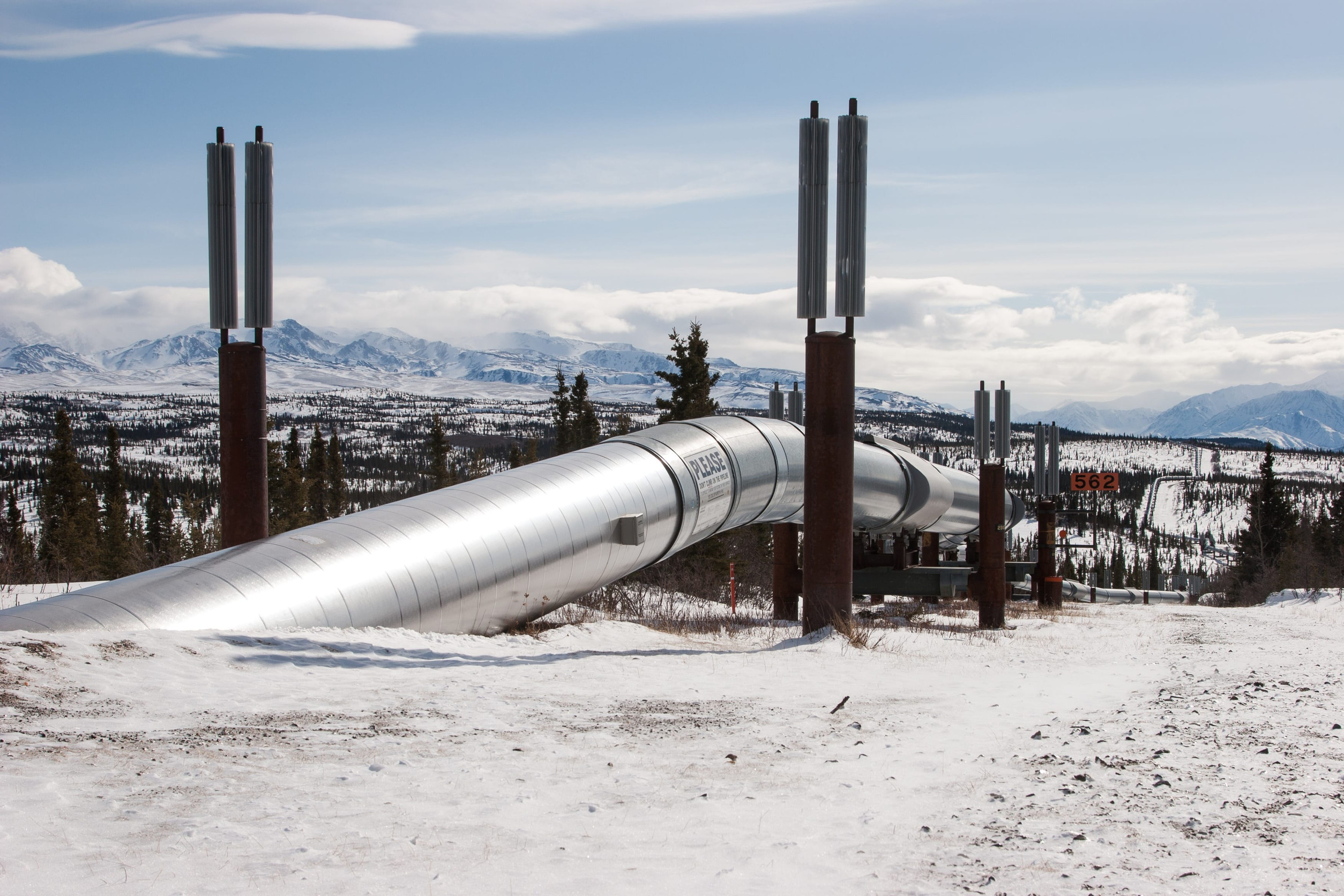
The new Alaska gold rush
Announcements by South Korea and Taiwan concerning a new Alaska pipeline that would transport natural gas from Arctic oilfields have Alaskans excited, yet skeptical.
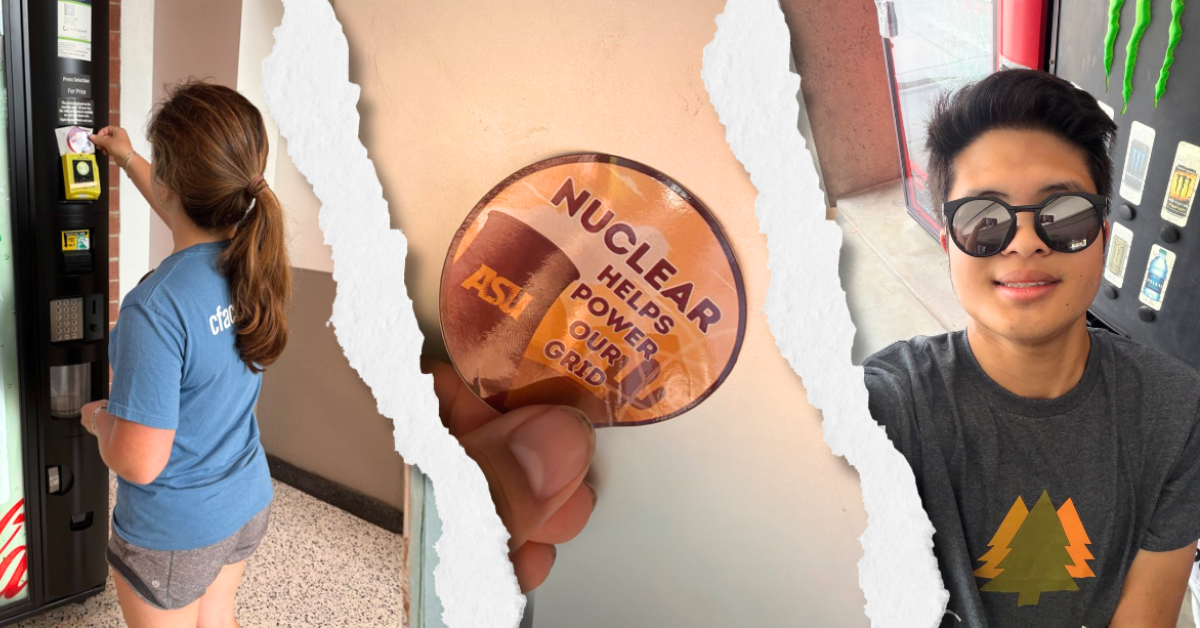
CFACT Collegians Make Energy Education Stick
What do vending machines, water fountains, printers, and light switches all have in common? They all need something to power them. But how often do students stop to consider where that electricity actually comes from?

COP31’s inconvenient truth: The world still runs on oil
BY RON STEIN AND YOSHIHIRO MURONAKO: Worldwide economies depend on transportation fuels and products manufactured from crude oil, in addition to electricity.
Diesel policy: Don’t ban it, bank it for winter
America is not running out of diesel. We are running out of cushion.
New CFACT study: The real economic costs of climate policy
Electric-vehicle mandates and state net-zero electricity rules were sold as painless. The numbers say otherwise.
EPA wants to scrap Biden-era regs that pose ‘monumental threat’ to natural gas
BY PARIS APODAKA: "U.S. EPA will take an important step in easing regulatory burdens and unleashing the Nation’s domestic energy supply."
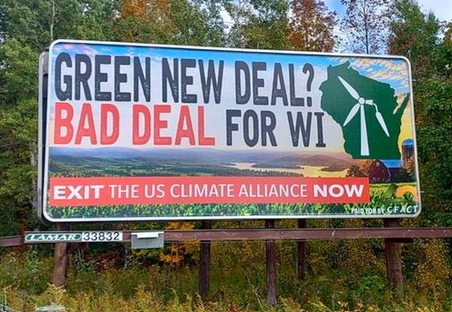
CFACT billboards urge Wisconsin to stop making eco-mistakes.
Green New Deal, roving wolf packs, what could go wrong?
Build power stations to protect the environment
Imagine how fast the environment would improve if the world's energy poor had access to the power grid.

WGU Student Backs Critical Mineral Seabed Exploration
The bottom line is that approval of this application alone will improve the USA’s national security, economy, and ultimately the lives of everyday Americans.
Rediscovering Thomas Jefferson’s revolutionary charge against abusive taxation
Virginia ratepayers smacked with 153 percent increase in auction prices used to determine carbon tax.

Even Tom Cruise can’t make a politically correct climate satire movie against Big Oil funny
And the crowd hates it.
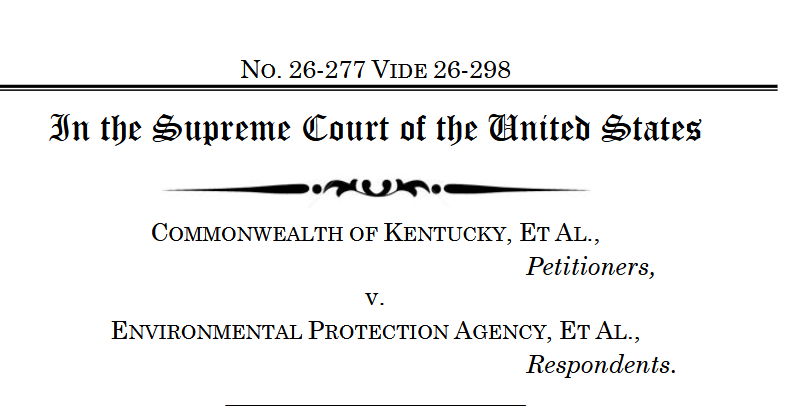
CFACT joins allies in urging Supreme Court to hear challenge to EPA’s fine particle rule
Rucker: "EPA dismissed its own independent science advisors, skipped the full scientific review Congress requires, and then imposed a standard that puts nearly a trillion dollars in American investment at risk,"