
The return of the gray wolf is one of America’s most remarkable wildlife recovery stories. Once nearly eliminated from Wisconsin, wolves have rebounded dramatically — a conservation achievement worth celebrating.
But recovery was never meant to be the end of the story.
The Endangered Species Act was created with a worthy goal: prevent species from disappearing and help them recover. More than 50 years later, however, the way the law is implemented too often fails to complete that mission. A system designed to recover species must also provide a clear and workable path for recognizing success, removing recovered populations from federal protection, and returning management to the states.
Wisconsin’s wolves demonstrate why reform is needed. A recovered species should be a conservation victory — not a permanent regulatory designation.
Today, Wisconsin supports a thriving wolf population, while farmers, ranchers, hunters, pet owners, and rural communities are increasingly confronting the consequences of living alongside a large predator without the full range of management tools traditionally used for healthy wildlife populations.
We don’t have to choose between wolves and people.
We can celebrate the comeback and manage the future — protecting healthy wolf populations while giving states and local communities the flexibility to manage them responsibly and protect livestock, pets, livelihoods, and public confidence in conservation.
The spirit behind the Endangered Species Act was well intentioned. Its implementation needs reform. Conservation policy should measure success not by how long a species remains listed, but by whether it has recovered enough that extraordinary federal protection is no longer necessary.

RECOVERY MEANS SUCCESS
The Endangered Species Act was created to protect species at risk of extinction and help them recover. But when recovered species remain trapped in endless federal regulation, the law is no longer working as intended.
It’s time to reform the ESA so successful recovery leads to responsible state management — protecting wildlife while giving communities the tools they need to manage conflicts.
Tell Congress it’s time to modernize the Endangered Species Act.
LEARN MORE
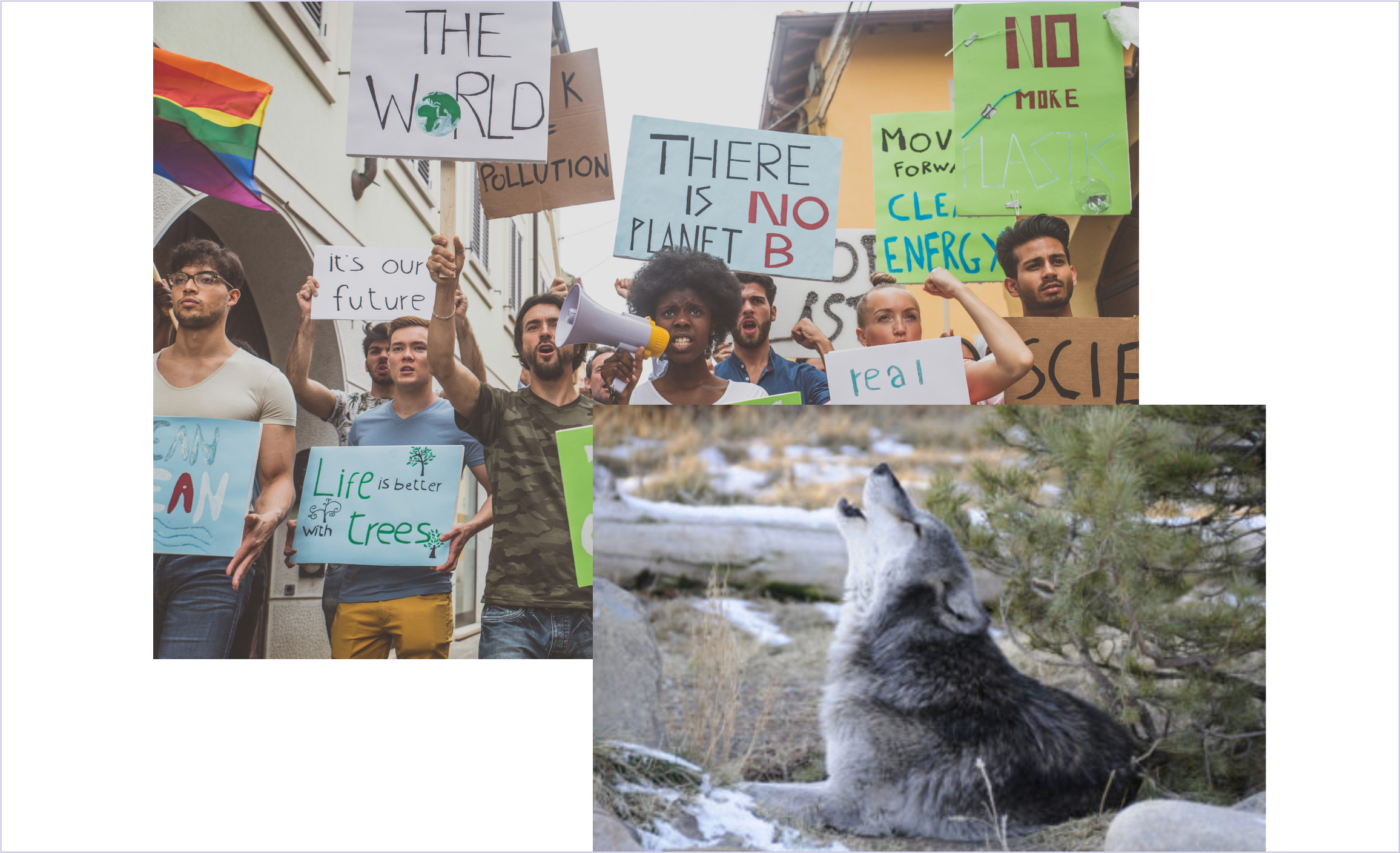
CFACT tells the Feds to reform the Endangered Species Act
For far too long, Green campaigners have shamelessly used the ESA to deprive property owners of the freedom to responsibly use their land.

Reform the Endangered Species Act!
The Endangered Species Act today serves the anti-capitalist gadflies of the Left far better than it protects wildlife. Read CFACT's official submission.

Eliminate the harm misdefining “harm” does via the ESA
The agencies’ interpretation and application has nearly deformed the term "harm" into an arbitrarily wielded national land use veto.

The Endangered Species Act at 50: Not working as intended
The Endangered Species Act should have recovered 300 species today. The true numbers? Only 57. Learn about the ESA's shortcomings, 50 years after becoming law, today on District of Conservation.

This landmark conservation bill has been an abject failure for fifty years
The Endangered Species Act has failed at recovering species.
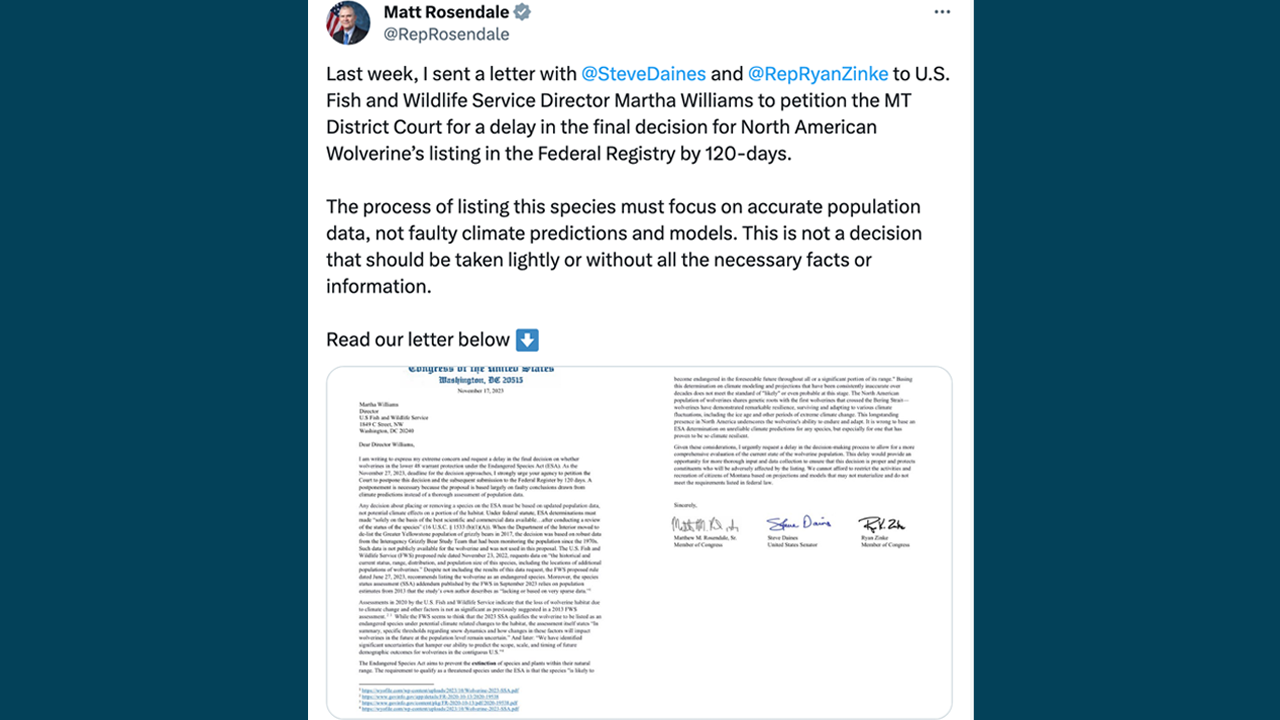
Biden admin wants to give climate resilient wolverines ESA protections
There are only 300 wolverines in the lower-48 remaining. Why is an ESA designation being based off climate change and not population numbers?