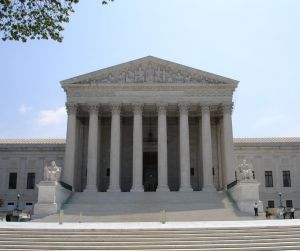
Supreme Court reins in EPA on Clean Power Plan!
EPA exceeded its authority under the Clean Air Act in creating its emissions scheme. Read West Virginia vs. EPA full decision.
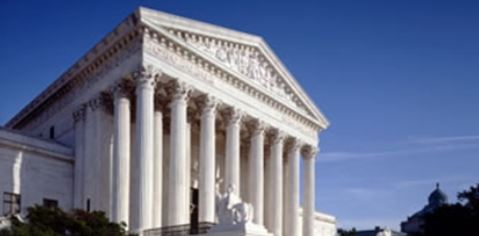
EPA exceeded its authority under the Clean Air Act in creating its emissions scheme. Read West Virginia vs. EPA full decision.
BY MARLO LEWIS: The Court will examine the lawfulness of the Obama administration’s October 2015 Clean Power Plan (CPP) and the Trump administration’s June 2019 Affordable Clean Energy (ACE) Rule, which repealed and replaced the CPP.
The Supreme Court ended the Center for Disease Control's eviction moratorium in a victory for property rights and due process. Read the full decision at CFACT.org.

President Trump has the authority to nominate Justice Ginsburg's successor and the Senate has authority to advise and consent. They should both act without delay.

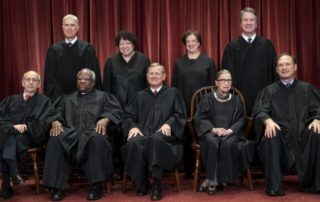
The sweet friendship between Justices Ruth Bader Ginsburg and Antonin Scalia teaches a great deal about collegiality, respect for others, and how to disagree with civility. R.I.P. honored jurists.
His crime? Building a firebreak ditch and some ponds on his Montana property.

Kavanaugh, one of the most conservative judges on the D.C. Circuit Court, has authored opinions skeptical of Environmental Protection Agency (EPA) regulations many conservatives see as abuses of federal power.
The Supreme Court sided against the federal government in another wetlands case, which could make the Environmental Protection Agency’s plan to extend its control over more bodies of water on private property even harder.
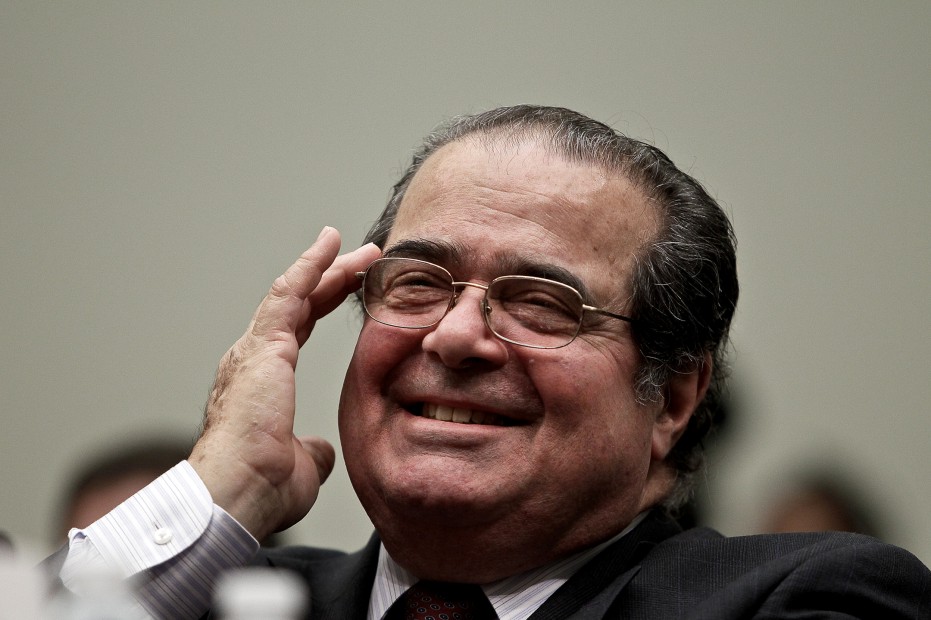
Antonin Scalia was a careful steward of the U.S. Constitution throughout his career. May he rest in peace. Through the Constitution the people tell their government "this far may you go, but no further." Justice Scalia worked to keep government within its lawful bounds during an era of dangerous executive overreach. Now what?
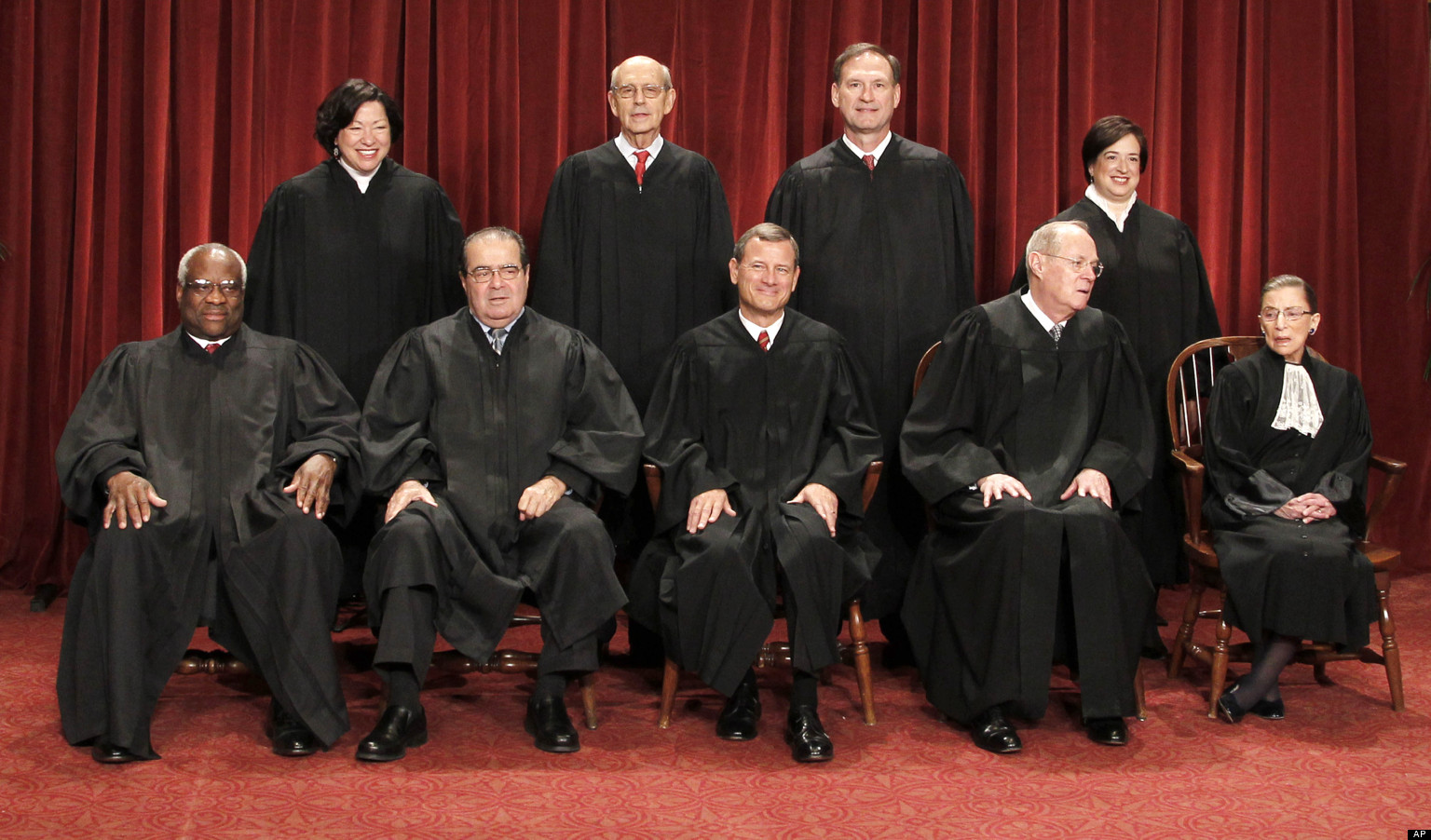
The Supreme Court blocked Obama's dirty "clean power plan." CFACT doesn't label EPA's energy regulations "dirty," lightly. "Dirty" is the right word for the trick they tried to pull.
Raisin growers Marvin and Laura Horne have challenged a 66-year-old USDA regulation that allows the government to seize up to half a grower's raisin crop for forced resale overseas at discounted prices. The stated purpose is to keep the domestic price for raisins artificially high, but the Hornes claim that the seizure of their crop amounts to an unconstitutional taking without adequate compensation - and now the case is headed to the U.S. Supreme Court.
CFAC advisor Larry Bell says that we ought to beware of marketing terms such as “clean,” “renewable,” and “sustainable.” While those words may seem very nice, they have routinely been co-opted and redefined through misleading “Green” messaging campaigns. For example, corn ethanol yields less energy than is required to grow and produce it. Wind turbines are bird and bat executioners. Solar plants take up so much land that reptiles and other animals suffer. Plus, solar and wind are inherently intermittent,
The Court served notice today that the Executive branch cannot unilaterally write its own laws. This is an important principle. However, the United States still remains fated to suffer most of the economic damage EPA's regulations will cause.
FOR IMMEDIATE RELEASE: CFACT to Supreme Court -- EPA emissions rules violate Constitution's separation of powers They are harmful, arbitrary, capricious and fraudulent. Read the brief.
Presumably, the Supreme Court agreed to reconsider EPA's Timing Rule, which regulates stationary sources of greenhouse gases, because EPA then promulated its Tailoring Rule, under which by its own (quite possibly unlawful) authority EPA limited the Timing Rule's purview to large stationary sources and thus made greenhouse gases a different class of criteria pollutant than the ones initially regulated under the Clean Air Act. But what if the Court upholds the Timing Rule and strikes the Tailoring Rule? Would the nation stand for an EPA with an extra 230,000 soldiers in its army?